Home > Calm Tools & Sensory Supports > Breathing Necklace

Breathing Necklace
Calm, steady breathing for clearer moments
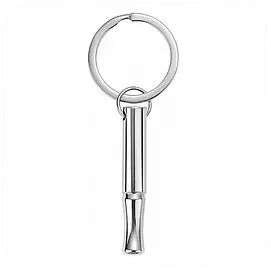
A sleek stainless‑steel pendant designed to guide slow, mindful breathing and ease tension.
Its smooth, silent airflow supports gentle inhale–hold–exhale cycles that help quiet racing thoughts and restore focus.
Compact and durable, it offers a discreet way to pause and regulate anywhere — at home, work, or on the move.


What is a Breathing Necklace?
A breathing necklace is a small, stainless‑steel tool designed to support slow, intentional breathing.
Its smooth, narrow airway creates gentle resistance that naturally slows the exhale, helping the body shift into a calmer, more regulated state.
Lightweight and discreet, it can be worn daily as a grounding tool that’s always within reach.

Why It
Helps
Slow, steady breathing is one of the most effective ways to reduce tension and support emotional regulation.
The pendant’s controlled airflow guides a calmer breathing rhythm, helping:
• quiet racing thoughts
• ease physical tension
• steady the nervous system
• support focus during busy or overwhelming moments
Its silent design makes it a low‑stim option for people who find apps, timers, or guided audio overwhelming.

When To
Use It
Breathing necklaces can support calm and focus during:
• transitions between activities
• work, study, or homework sessions
• therapy or counselling
• calming breaks
• travel or waiting times
• moments of overwhelm, anxiety, or restlessness
They work well at home, in classrooms, therapy settings, and workplaces.

How to
Introduce It
Keep the introduction slow and pressure‑free:
• Let the person explore the pendant’s weight and shape.
• Demonstrate a slow inhale, gentle hold, and long exhale.
• Encourage trying different breathing lengths at their own pace.
• Pair use with calm breathing or quiet moments.
• Affer choice in breathing rhythm.
There is no “right” way to use a breathing necklace — comfort and connection come first.

Things to
Keep in Mind
• Choose stainless‑steel designs for smooth, predictable airflow.
• Start with short breathing cycles if the sensation feels unfamiliar.
• Keep the pendant clean and dry, especially if worn daily.
• Avoid forcing long exhales — gentle pacing is most effective.
• Breathing regulation grows with practice, not pressure.

Helpful Tools
& Next Steps
This tool pairs well with:
These supports help children and adults build confidence, reduce overwhelm, and move through sensory routines with clarity and comfort.

Product Details
Find the version we
recommend on Amazon
Affiliate link — this helps support the site at no extra cost.
Where to Find It
A stainless‑steel pendant designed for slow, mindful exhales that support calm, focus, and emotional regulation.
Related Tools


FAQ: Breathing Necklace
This FAQ answers common questions parents and educators have about using breathing necklaces for calm, grounding, and emotional regulation. It’s okay if this feels new — supporting sensory needs is a skill that grows with gentle practice and observation.
How does a breathing necklace help with regulation?
A breathing necklace gives a steady, predictable exhale, which naturally slows the nervous system. The narrow tube encourages a longer out‑breath, helping the body shift into a calmer state. It’s a simple tool that supports grounding during transitions, overwhelm, or moments of frustration.
How should someone use it?
Most people find it helpful to inhale gently through the nose and then exhale slowly through the necklace. You can model a slow, steady breath without making it a big moment. A few calm breaths are often enough to help someone reset.
Is it safe for younger children?
Breathing necklaces are not suitable for children who may chew, bite, or put objects fully in their mouths. Always supervise use with younger children or anyone who might mouth objects. Choose a necklace made from durable metal with a smooth, safe mouthpiece.
What if the breathing feels too hard or too easy?
If the exhale feels too hard, encourage a gentler breath or hold the necklace slightly away from the lips. If it feels too easy, try slowing the inhale first — this naturally lengthens the out‑breath. You can also pair it with a visual tool (like a liquid motion timer) to support pacing.
Can it be used during schoolwork or group activities?
Yes — breathing necklaces are quiet, discreet, and non‑disruptive. They’re helpful during transitions, independent work, or moments when someone needs a quick reset. Because they look like a simple pendant, they don’t draw attention in shared spaces.
Is it hygienic to share?
Breathing necklaces are not designed to be shared, since the mouthpiece is used directly. If multiple children need one, it’s best to have individual necklaces or offer a different calming tool.
Do I have to use the Amazon link you recommend?
No. The link is there for convenience, and using it helps support the site at no extra cost. You’re always free to choose any version that feels right for you or your child.