
How Big Is My Feeling?

How Big Is My Feeling?
A Gentle Way to Notice the Size of Your Feelings
This tool helps children pause and check in with themselves by choosing how big a feeling feels right now.
There’s no right or wrong answer — just a calm moment to notice what’s happening inside.
Start by choosing the feeling that matches your moment.
Calm

Ready

Unsure

Nervous

Upset

Tired
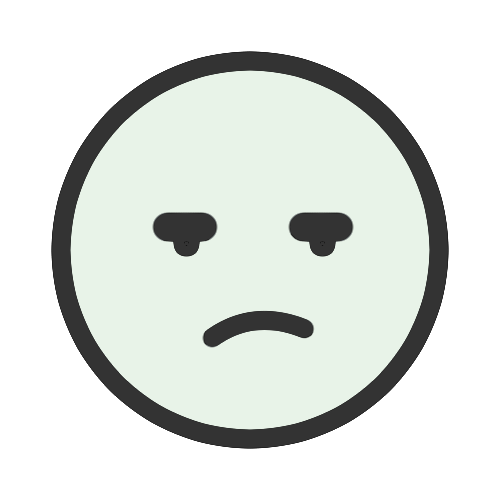
It’s okay if your feelings change.
It’s okay if you’re still figuring them out.
Now choose how big the feeling is
These options help children notice the size of their feeling — without judgement, pressure, or needing the “right” answer.
It’s okay if your feeling grows or shrinks.
It’s okay if you’re not sure yet.
This tool works well alongside...
• How I Feel – supports naming the feeling
• Little Boosts – offers gentle support when feelings feel big
• Feelings & Needs – helps children express what might help
FAQ: How Big Is My Feeling?
For grown‑ups: What do I do with the feeling size my child has chosen?
1. “What if my child chooses a size I didn’t expect?”
Children often experience feelings more intensely or more softly than adults assume.
Their choice isn’t wrong — it’s information.
You don’t need to correct it. Simply noticing it with them is enough.
2. “Do I need to fix the feeling or make it smaller?”
No. The goal isn’t to shrink the feeling but to understand it.
A calm, curious presence helps children feel safe and regulated, no matter the size of the feeling.
3. “What should I say when they choose a feeling size?”
You can gently reflect back what you see:
-
“Thanks for showing me how big it feels.”
-
“I’m here with you.”
-
“That makes sense.”
-
“Would you like to tell me more, or just sit together for a moment?”
4. “What if they pick more than one size?”
That’s completely normal.
Children often feel things in waves — a feeling might be “big” one moment and “a little” the next.
Multiple selections can help them express something they can’t yet put into words.
5. “What if they don’t want to talk about it?”
That’s okay.
The tool works even if they don’t say anything.
Just acknowledging their choice helps them feel seen and supported.
6. “What if the feeling size changes quickly?”
Feelings shift — especially in children.
Changing their selection isn’t inconsistency; it’s emotional awareness.
It shows they’re tuning into what’s happening inside.
7. “How can I support them after they’ve chosen a feeling size?”
You can offer simple, grounding options:
-
a drink of water
-
a quiet moment
-
a sensory break
-
a cuddle or closeness (if they want it)
-
a change of activity
-
a chance to talk or draw
These aren’t fixes — they’re gentle supports.
8. “Is this tool a diagnosis?”
No.
It’s a gentle check‑in, not an assessment.
It helps children notice and communicate the intensity of their feelings in a safe, accessible way.
You might also like…
Helpful alongside this tool…
Two gentle tools that support calmer, more settled moments as children notice how big a feeling feels.


This is an affiliate link. If you choose to buy through it,
Feeling Visible may earn a small commission at no extra cost to you.