Calm Needs and Gentle Interpretations

What Helped Me
Calm Needs and Gentle Interpretations
A child’s calming choices can show you what helped their body slow down, feel safe, or settle after a tricky moment. These interpretations aren’t rules — just gentle possibilities to help you respond with care.
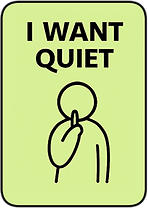
I Want Quiet
This may reflect a need for auditory regulation, emotional space, or sensory retreat.
Supportive response: Reduce noise, dim lights, and offer a quiet corner. Honour the need for silence without asking questions or requiring interaction.

Listen To Music
This may show a need for something comforting to listen to, or a gentle distraction.
Supportive response: Offer some soft music or let them pick a familiar song, and giving them space to listen however feels right for them.

Deep Breaths
This may express a need for grounding, emotional regulation, or body awareness.
Supportive response: Model slow, gentle breathing or invite the child to breathe with you. Use visual cues like hand tracing or soft prompts, and let the pace be theirs.

I Want To Be Alone
This may reflect a need for solitude, emotional safety, or quiet processing.
Supportive response: Respect the child’s request for space. Let them know you’re nearby and available, but allow them to be alone without pressure or concern.