

What Helped Me
Welcome to the Adult Interpretation Guide
This is your calm starting point for exploring dental visits — through tools, guides, and gentle visuals.
Each section offers its own sounds, feelings, and helpful items to support comfort and understanding.
Click below to explore what you might see, wear, use, or feel during a visit.

Fidget Toy
This may show a need for something to touch, something to focus on, or emotional release.
Supportive response: Provide a fidget tool and let the child use it freely. No need to ask why — the choice speaks for itself.

I Want My Blanket
This may express a need for warmth, protection, or retreat.
Supportive response: Offer a blanket or soft wrap. Sit nearby quietly if invited, and allow space to settle.

Chew Necklace
This may signal a need for oral sensory input, grounding, or self-soothing.
Supportive response: Offer a chew necklace or safe oral item. Avoid framing it as a bad habit — it’s a valid regulation strategy.

Soft Clothes
This may show a need for comfort, reduced sensory irritation, or emotional safety.
Supportive response: Honour clothing preferences. Avoid forcing uncomfortable textures or uniforms — comfort matters.

Swing
This might be their way of showing they need some gentle movement or a bit of release.
Supportive response: offering a swing or another calm, swaying activity — and letting them enjoy it without needing to explain anything.

Stretch
This may show a need to release tension, reconnect with the body, or feel more in control.
Supportive response: Model gentle stretching or invite the child to stretch in their own way. Avoid correcting form — it’s about feeling, not performance.

Dance
This may show a need for expressive movement, joy, or sensory stimulation.
Supportive response: Join in if invited, or offer music with a beat. Let the child move freely and celebrate their rhythm.

Rocking Chair
This may express a need for soothing, repetitive motion, or quiet regulation.
Supportive response: Provide access to a rocking chair or similar movement. Sit nearby if invited, and allow space for quiet settling.
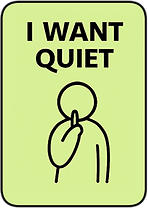
I Want Quiet
This may reflect a need for auditory regulation, emotional space, or sensory retreat.
Supportive response: Reduce noise, dim lights, and offer a quiet corner. Honour the need for silence without asking questions or requiring interaction.

Listen To Music
This may show a need for something comforting to listen to, or a gentle distraction.
Supportive response: Offer some soft music or let them pick a familiar song, and giving them space to listen however feels right for them.

Deep Breaths
This may express a need for grounding, emotional regulation, or body awareness.
Supportive response: Model slow, gentle breathing or invite the child to breathe with you. Use visual cues like hand tracing or soft prompts, and let the pace be theirs.

I Want To Be Alone
This may reflect a need for solitude, emotional safety, or quiet processing.
Supportive response: Respect the child’s request for space. Let them know you’re nearby and available, but allow them to be alone without pressure or concern.

Talk
This may reflect a need for verbal connection, reassurance, or emotional sharing.
Supportive response: Offer space to talk, but don’t push for explanations. Listen gently and validate feelings.

Hug
This may signal a need for physical comfort, safety, or emotional closeness.
Supportive response: Offer a hug if invited. Respect boundaries and let the child lead the level of contact.

Sit Close
This may show a need for proximity, co-regulation, or quiet presence.
Supportive response: Sit nearby without needing to talk. Your presence alone can be calming and affirming.

Hold My Hand
This may express a need for gentle touch, grounding, or emotional safety.
Supportive response: Offer your hand softly. Let the child hold it in their own way — it’s about connection, not control.